
Systemic Health Implications of Vascular Neglect
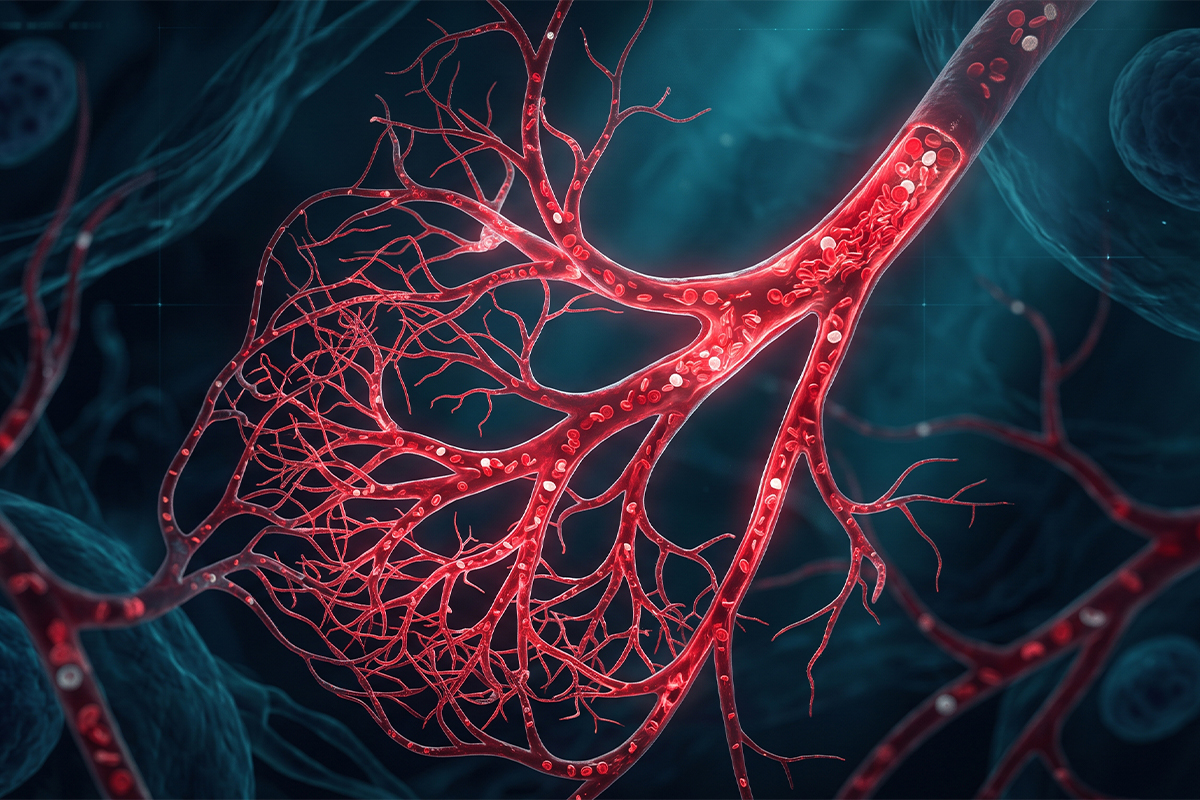
Erectile dysfunction is frequently an early clinical indicator of systemic arterial narrowing rather than an isolated localized condition. Indeed, understanding untreated erectile dysfunction risks is essential for safeguarding long-term cardiovascular health and general well-being. Penile arteries are significantly smaller in diameter than coronary vessels, making them the first to suffer from endothelial dysfunction. Furthermore, ignoring early symptoms allows underlying vascular degeneration and chronic microvascular ischemia to advance unchecked throughout the body. Patients frequently dismiss initial warning signs without realizing that chronic endothelial decay accelerates systemic atherosclerosis. However, delaying clinical evaluation often leads to irreversible structural damage within cavernous smooth muscle tissues. Therefore, early intervention remains critical to prevent severe vascular complications and protect overall health.
Common symptoms may include vision problems, numbness, weakness, balance and walking difficulties, muscle spasms, fatigue, bladder or bowel dysfunction, and cognitive or mood changes.
Although there is currently no cure for MS, established treatments can reduce relapses, control disease activity, slow progression in appropriate patients, and manage symptoms.
Major Untreated Erectile Dysfunction Risks
Prolonged penile tissue hypoxia causes progressive cellular apoptosis and permanent structural collagen fibrosis within the corpus cavernosum. Consequently, the natural elasticity required for vascular dilation degrades, resulting in complete organic erectile failure over time. Fortunately, recognizing untreated erectile dysfunction risks allows healthcare specialists to implement restorative biological protocols before irreversible tissue loss occurs. Chronic performance failure also elevates systemic cortisol levels, exacerbating emotional distress, clinical depression, and relational conflict. Moreover, persistent vascular neglect significantly correlates with an elevated risk of future myocardial infarction and stroke. Ultimately, addressing the underlying pathology early halts this progressive biological deterioration across the vascular system.
The Psychosocial and Marital Burden
Living with unresolved intimate dysfunction generates immense psychological pressure that deeply fractures marital communication and emotional intimacy. However, many men avoid medical consultation due to social stigma, exacerbating performance anxiety and personal isolation. Instead, modern regenerative medicine provides non-invasive diagnostic and therapeutic strategies that restore vascular integrity safely. Patients who address microvascular decline proactively avoid the severe emotional strain associated with long-term marital discord. Additionally, clinical intervention restores neurological confidence while normalizing systemic neuroendocrine function. Timely therapeutic management eliminates chronic stress patterns and revitalizes interpersonal relationships effectively.
The Future of Preventive Vascular Care
Are you prepared to address microvascular decay before it compromises systemic health and relationship stability? We invite healthcare practitioners to explore our specialized clinical training programs in regenerative medicine today. Specifically, our comprehensive courses equip clinicians with advanced diagnostic protocols and cellular therapy techniques for vascular disorders. You will master intracavernous evaluation methods, patient screening strategies, and biological intervention modalities. Furthermore, you will analyze the latest global clinical research regarding regenerative urology and endothelial repair. The field of cellular therapy continues to transform preventive urological care globally. Join us at issca.us to advance your practice and protect long-term patient vitality.