
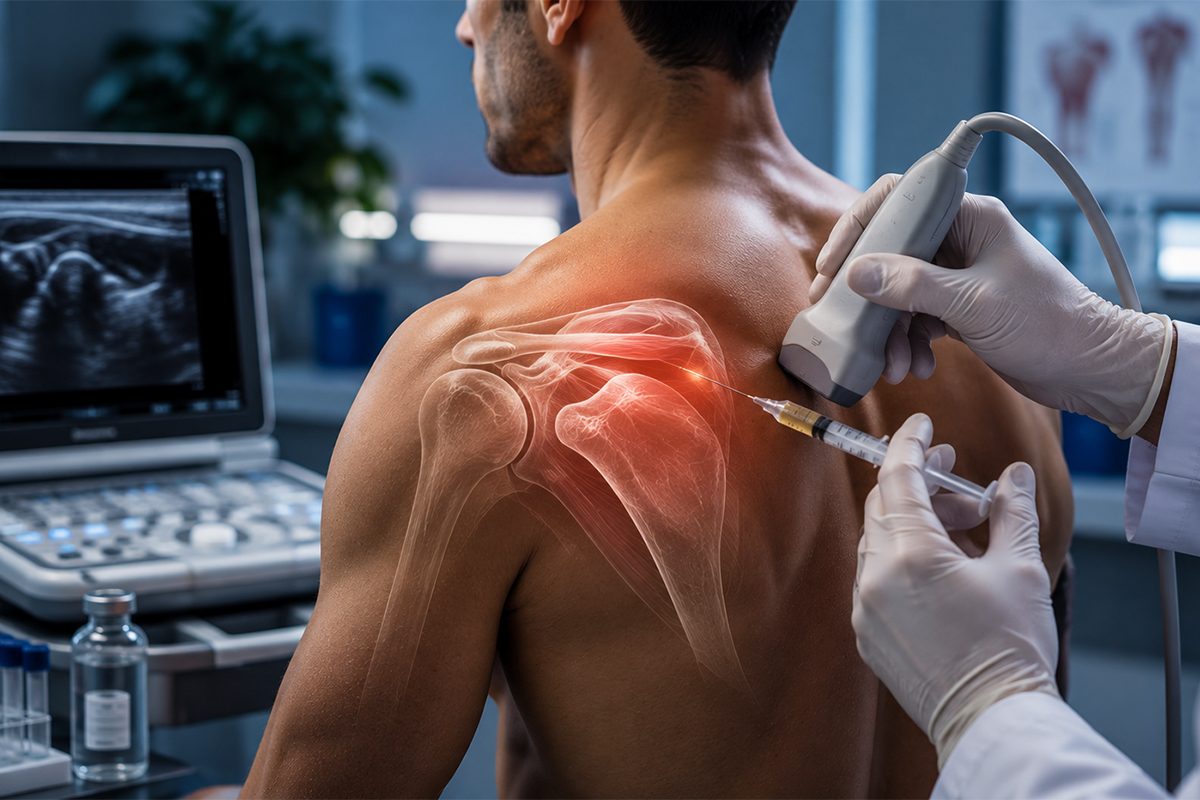
Stem Cell Therapy for Shoulder Injuries
Shoulder injuries are among the most common musculoskeletal conditions affecting athletes, active individuals, and the general population. They may involve the rotator cuff tendons, ligaments, cartilage, labrum, bursae, or surrounding soft tissues, often resulting in pain, reduced range of motion, muscle weakness, and impaired shoulder function.
While many patients respond well to conservative management or surgical intervention when indicated, regenerative medicine has emerged as a promising field of research exploring innovative approaches that may support tissue healing and recovery. Among these approaches, stem cell therapy is being investigated for its potential role in promoting tissue repair and improving functional outcomes. However, these applications remain under clinical investigation and should be performed within specialized medical settings.
How Can Stem Cell Therapy Support Shoulder Healing?
Mesenchymal stem cells (MSCs) have attracted considerable scientific interest because of their regenerative and immunomodulatory properties. Current research suggests they may contribute to tissue repair by:
- Supporting tendon and ligament healing.
- Modulating inflammatory responses.
- Promoting tissue remodeling.
- Supporting cartilage health in selected cases.
- Stimulating the release of bioactive molecules involved in tissue regeneration.
- Enhancing recovery when combined with structured rehabilitation.
Clinical outcomes vary depending on the type of injury, patient characteristics, severity of tissue damage, and overall treatment strategy.
Regen's Approach to Shoulder Injuries
At Regen, treatment begins with a comprehensive clinical assessment to determine the nature and extent of the shoulder injury. Every patient receives an individualized treatment plan tailored to their diagnosis, functional goals, and medical condition.
The treatment program may include:
- Comprehensive orthopedic evaluation.
- Stem cell therapy when clinically appropriate.
- Regenerative medicine protocols based on physician assessment.
- Ultrasound-guided procedures when indicated.
- Personalized physical therapy and rehabilitation programs.
- Progressive return-to-activity planning.
- Regular clinical follow-up to monitor recovery.
The Importance of Rehabilitation
Regenerative therapies should be considered part of a comprehensive treatment strategy rather than a standalone solution. Physical therapy remains essential for restoring shoulder mobility, improving muscle strength, enhancing joint stability, and reducing the risk of recurrent injury.
An individualized rehabilitation program plays a key role in achieving optimal functional recovery following shoulder injuries.
What Does the Research Say?
Scientific studies investigating stem cell therapy for shoulder conditions—including rotator cuff injuries, tendinopathy, and cartilage lesions—have reported encouraging preliminary findings. Research suggests that stem cell-based therapies may support tissue healing and improve clinical outcomes in selected patients.
However, current evidence is still evolving, and larger randomized clinical trials are needed to establish standardized treatment protocols, determine long-term safety, and identify the patients most likely to benefit from these therapies.
For this reason, leading orthopedic and regenerative medicine organizations recommend that stem cell therapy be performed only by qualified healthcare professionals within specialized medical centers and as part of a comprehensive evidence-based treatment plan.