
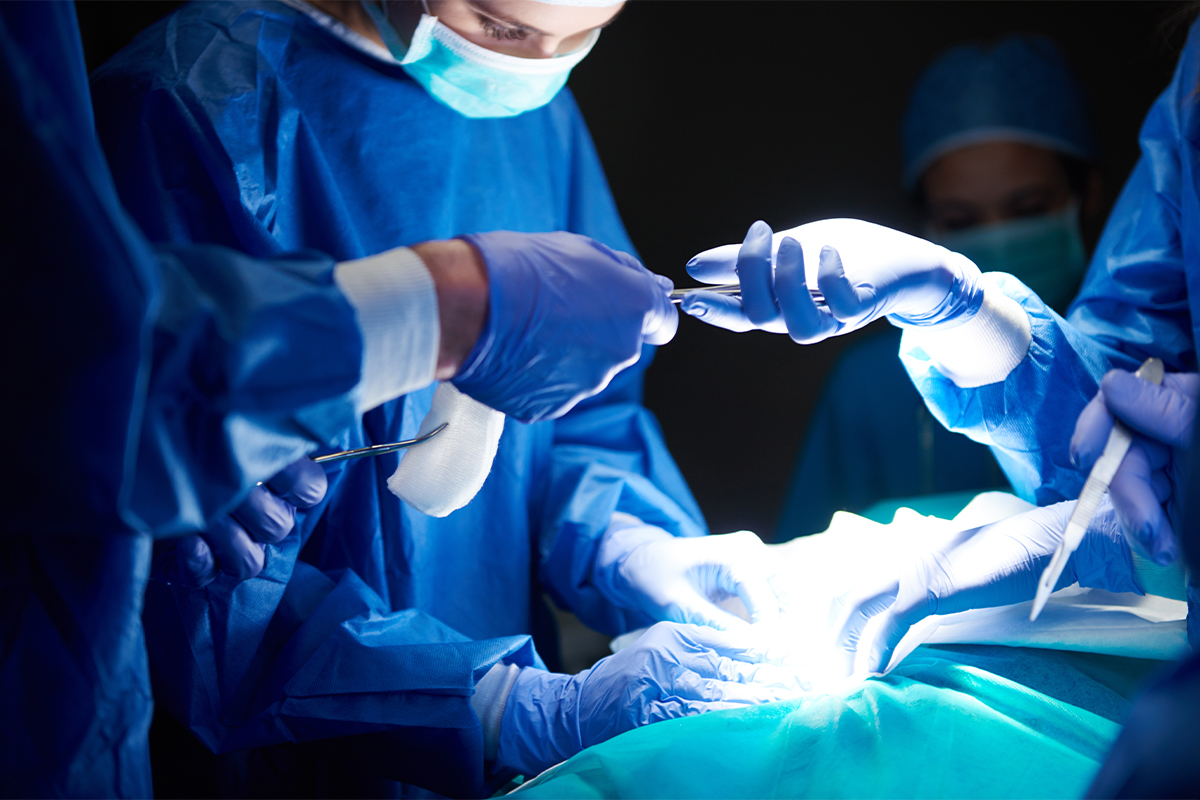
Stem Cell Therapy in Reconstructive and Trauma Surgery
Reconstructive and trauma surgery is one of the medical fields where regenerative medicine has attracted growing attention. Advances in stem cell research have encouraged scientists to explore their potential role in supporting tissue healing, enhancing recovery after traumatic injuries, and improving outcomes following complex reconstructive procedures. The primary objective of regenerative therapies is to support the body’s natural healing processes while tailoring treatment to each patient’s specific medical condition.
Although early research has shown encouraging results, the use of stem cell therapy in many reconstructive surgical applications remains under clinical investigation. Its potential benefits may vary depending on the type of injury, the extent of tissue damage, and the patient’s overall health.
How Can Stem Cell Therapy Support Recovery?
Current research focuses on the biological properties of stem cells and their potential ability to create a favorable environment for tissue repair. These regenerative effects may include:
- Supporting the healing of soft tissues.
- Helping reduce inflammation associated with traumatic injuries.
- Promoting the formation of new microvascular networks (angiogenesis).
- Supporting the regeneration of certain cell types and tissues.
- Enhancing functional recovery following selected surgical procedures.
The treatment strategy varies according to the nature of the injury, the affected tissues, and the individualized care plan developed by the medical team.
A Multidisciplinary Approach at Regen
At Regen, patient care is based on a comprehensive multidisciplinary model. Every patient undergoes a detailed medical evaluation before an individualized treatment plan is developed. Collaboration between specialists ensures that all aspects of the patient’s condition are carefully assessed to provide the most appropriate treatment approach.
Depending on the patient’s condition, the multidisciplinary team may include:
- Surgeons and specialists relevant to the specific condition.
- Obstetrics and gynecology specialists when clinically indicated.
- Fertility and assisted reproductive medicine specialists for appropriate cases.
- Urologists.
- Regenerative medicine and stem cell specialists.
- Clinical nutrition specialists.
- Mental health professionals providing psychological support throughout the recovery process.
This collaborative approach allows the medical team to evaluate every factor influencing recovery and develop the most suitable treatment strategy for each patient.
An Individualized Treatment Plan
There is no single treatment plan that is appropriate for every patient. The duration of therapy and the specific medical interventions depend on several important factors, including:
- The underlying cause of the injury or medical condition.
- The type of reconstructive surgery or procedure performed.
- The severity of tissue damage.
- The patient’s overall health and medical history.
- Individual response to treatment during follow-up.
Based on these factors, a personalized treatment program is developed to support healing, improve functional outcomes, and optimize long-term recovery.
What Does the Research Say?
Published research suggests that stem cell therapy represents a promising area in reconstructive and trauma surgery, particularly in supporting tissue repair and regeneration. However, the strength of the available evidence varies according to the type of injury and the specific clinical application. Additional large-scale clinical trials are still needed to determine the most effective stem cell sources, treatment protocols, delivery methods, and patient populations most likely to benefit.
For this reason, leading scientific organizations recommend that regenerative therapies be provided only in specialized medical centers under the supervision of qualified healthcare professionals and integrated into a comprehensive treatment plan based on the latest evidence-based medical guidelines.