
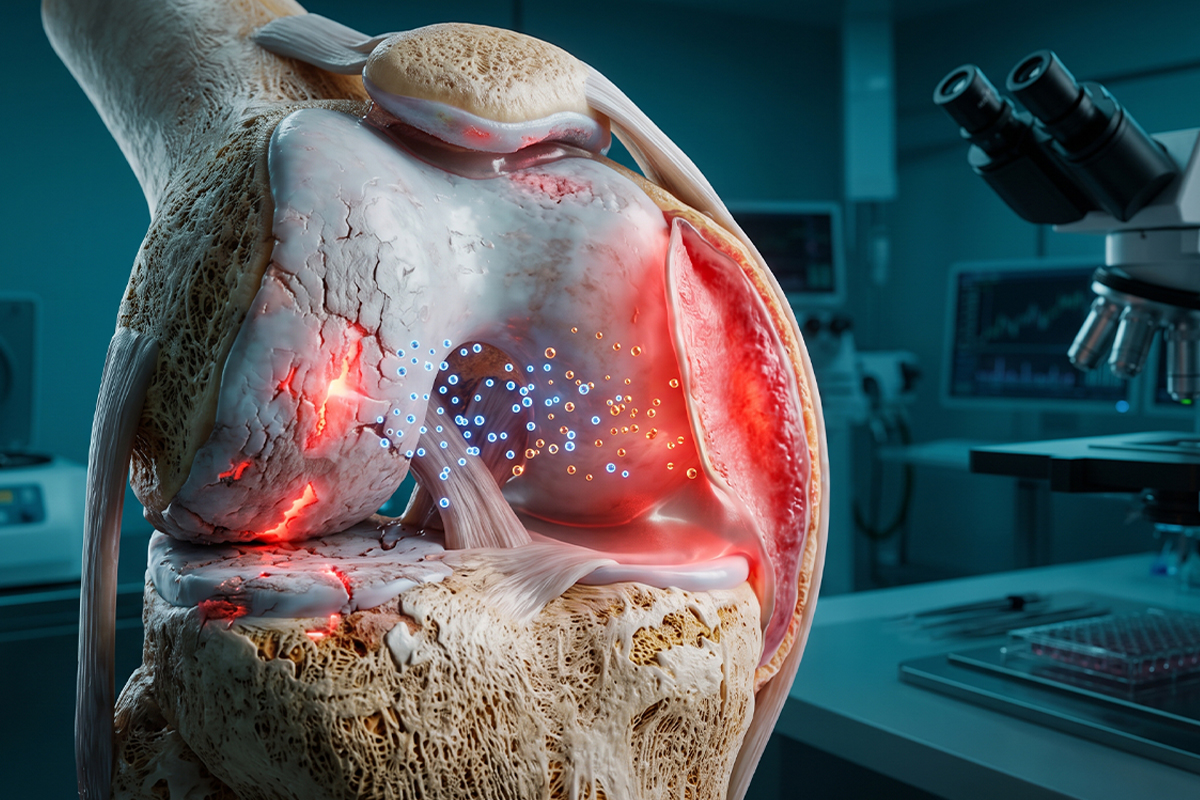
Systemic Consequences of Ignoring Joint Wear
Progressive degradation of the articular knee cartilage is not merely a localized orthopedic inconvenience; it actively destabilizes whole-body health. Indeed, understanding knee osteoarthritis complications is vital to prevent severe secondary physiological damage. When pain restricts daily mobility, patients unconsciously adopt a sedentary lifestyle that compromises cardiovascular and metabolic balance. Furthermore, ongoing joint neglect accelerates the loss of stabilizing quadriceps muscle mass, causing pronounced joint instability. Standard pain medications only mask localized discomfort without stopping progressive subchondral bone remodeling. However, relying continuously on daily anti-inflammatory drugs carries high risks of gastrointestinal and renal damage. Therefore, early medical intervention is essential to protect physical independence and stop irreversible musculoskeletal deterioration.
Severe Knee Osteoarthritis Complications on the Body
Chronic friction between unprotected bone surfaces creates continuous synovial inflammation and osteophyte bone spur development. Consequently, the joint capsule thickens, resulting in severe contractures and angular limb deformities over time. Fortunately, recognizing knee osteoarthritis complications allows physicians to intervene before irreversible mechanical changes occur. The abnormal gait caused by chronic knee pain places uneven biomechanical stress on the lumbar spine and contralateral hip. Moreover, the lack of regular movement significantly increases the risk of metabolic disorders, obesity, and systemic arterial stiffness. Ultimately, addressing joint cartilage degradation early halts this progressive cascade of musculoskeletal dysfunction.
The Psychosocial Burden of Chronic Immobility
Living with relentless orthopedic pain imposes a substantial psychological toll that undermines personal autonomy and emotional well-being. However, many individuals delay seeking regenerative solutions, fearing that invasive joint replacement surgery is their only path. Instead, modern cellular therapies provide safe, minimally invasive alternatives to preserve native joint structures effectively. Patients who address cartilage wear early prevent the onset of chronic sleep disruption and depressive fatigue. Additionally, restoring pain-free joint function protects social engagement and professional productivity throughout aging. Prompt therapeutic management preserves biomechanical alignment and restores personal vitality.
The Future of Joint Preservation Medicine
Are you ready to address chronic cartilage degradation and protect your patients from long-term functional decline? We warmly invite healthcare practitioners to explore our specialized clinical training programs in regenerative cellular therapy. Specifically, our comprehensive courses equip clinicians with advanced diagnostic tools, biomechanical analysis, and targeted delivery protocols. You will master ultrasound-guided joint injections and evidence-based biological therapies for musculoskeletal regeneration. Furthermore, you will analyze the latest clinical research regarding knee osteoarthritis complications and preventative interventions. Regenerative orthopedics continues to transform standard degenerative joint management globally. Join us at ReGen to elevate your practice and deliver cutting-edge clinical solutions.