
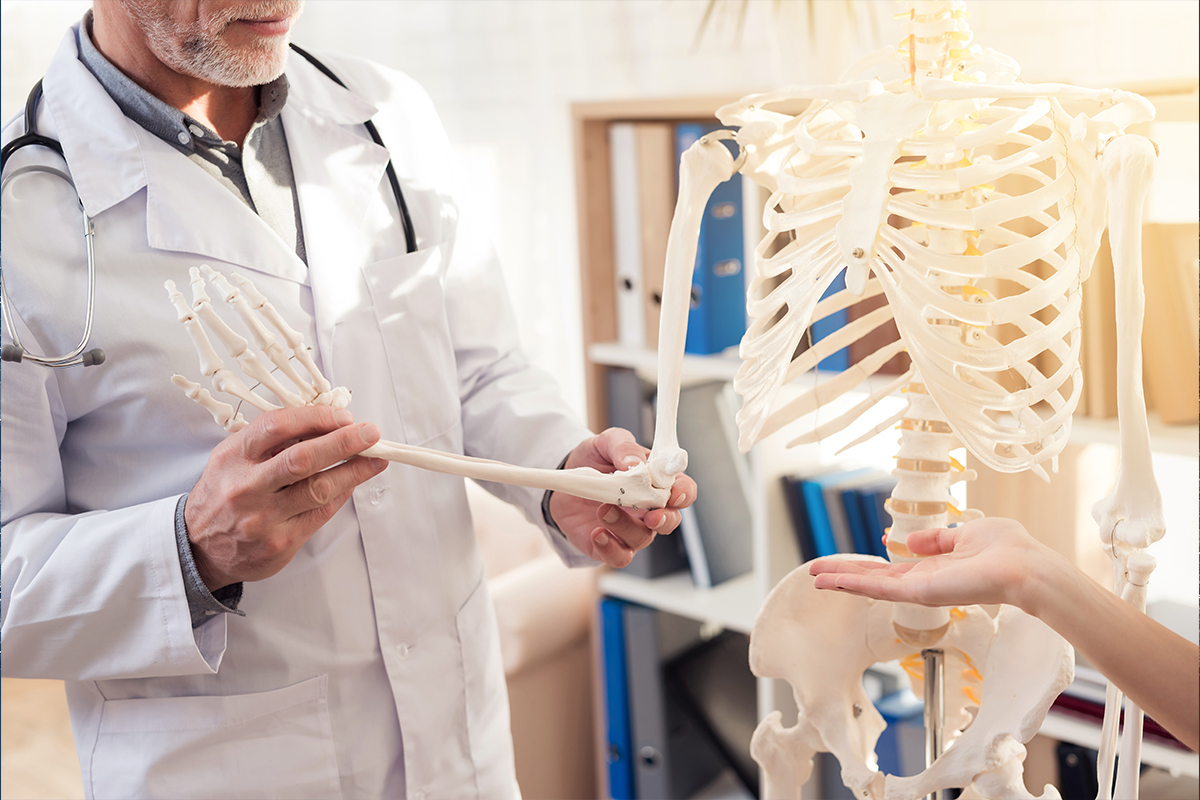
Bone pain can be a highly distressing and unsettling experience, often described as a deep, penetrating ache within the body. Unlike muscle or joint discomfort, which may subside with adequate rest, bone pain is usually constant and can significantly impact your overall quality of life. Therefore, understanding the root causes and recognizing the symptoms early is crucial for effective management and recovery.
Common Causes of Bone Pain
Several factors can contribute to bone discomfort. Most notably, these include:
Osteoporosis: A common medical condition that weakens bones over time, making them fragile and more susceptible to fractures, even from minor trauma.
Nutritional Deficiencies: Additionally, a severe lack of Calcium and Vitamin D can lead to bone softening and structural weakness.
Injuries and Fractures: Direct trauma from sports injuries or accidents causes acute, immediate pain.
Infections: Conditions such as Osteomyelitis are serious bone infections that require urgent medical intervention.
When to Consult a Doctor for Bone Pain
While some minor aches might be temporary, certain warning signs accompanying bone pain should never be ignored. You must seek immediate medical advice if the discomfort is:
- Severe and unresponsive to over-the-counter pain relievers.
Worsening consistently at night, significantly disrupting your sleep cycle.
Accompanied by noticeable swelling, sudden redness, or unexplained weight loss.
How to Prevent Structural Weakness
On the other hand, taking proactive lifestyle measures can significantly reduce your risk. First, ensure you maintain a balanced diet rich in essential nutrients. Second, engage in regular physical activity. Finally, for comprehensive and trusted medical guidelines, you can always refer to Mayo Clinic’s health resources.
Treatment Options & Regenerative Medicine
The journey to relieve bone pain begins with an accurate diagnosis, often utilizing X-rays or advanced MRI scans. Consequently, the initial treatment plan may involve prescribed medications or targeted physical therapy.
Moreover, modern medical science is advancing rapidly. Regenerative medicine techniques are pushing beyond traditional boundaries, offering highly innovative approaches to accelerate natural tissue healing and efficiently rebuild damaged structures without invasive surgeries.
🔗 Read Also: [Beyond Boundaries: How Stem Cells Are Reshaping Organ and Tissue Transplantation]